
Omar Safadi
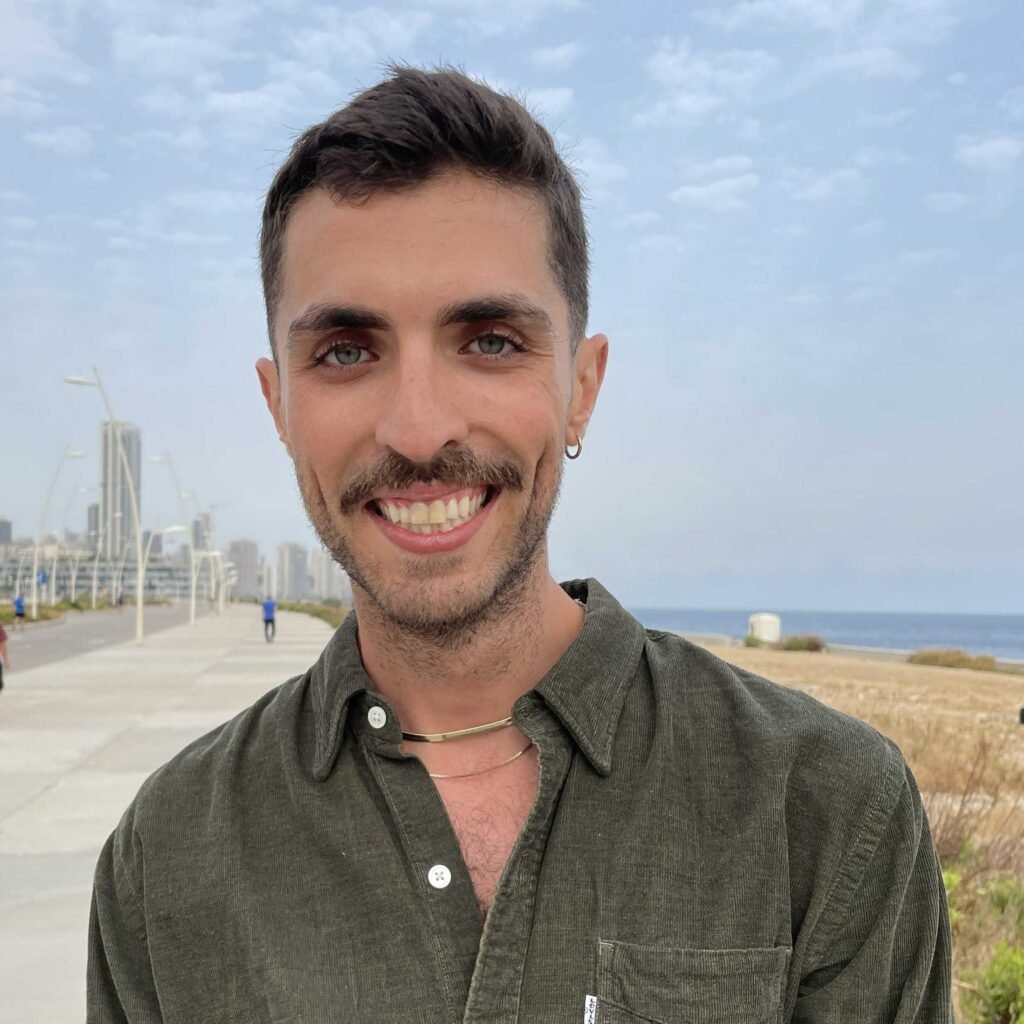
Omar Safadi is a Fellow at Tukhum Institute for Syria – Israel affairs. Omar is also a writer, researcher, and academic and holds a BA, MA and Ph.D. from the University of Chicago’s Department of Political Science. His dissertation and first book project – “The Queer Enemy in the Sectarian Order: Homophobia, Religion, and Stalemate […]
Yuval Ben-David
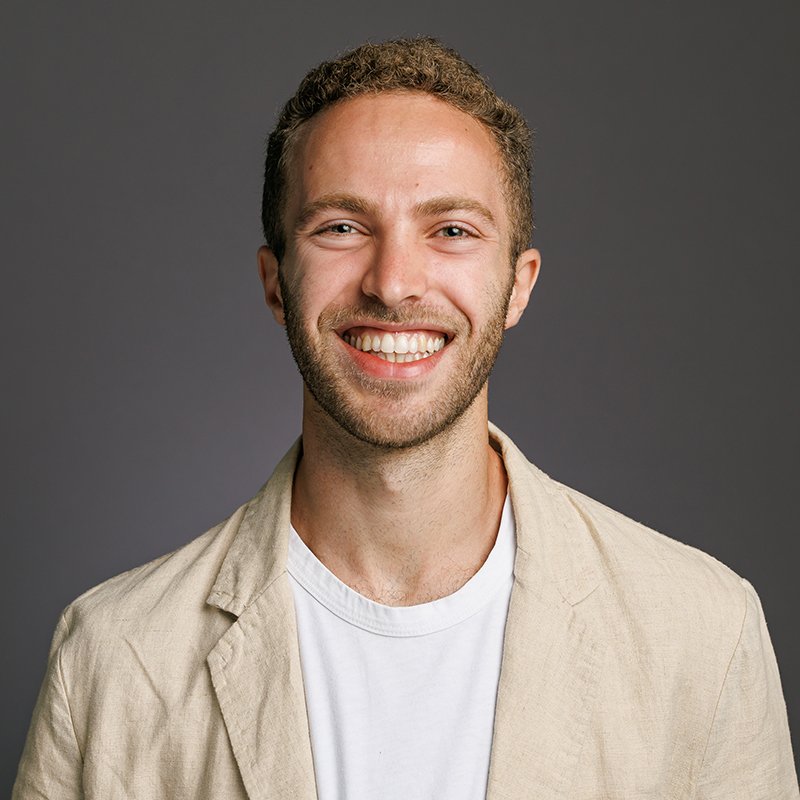
“As the broader Middle East peace process has stagnated, one of the quietest yet most tragic casualties has been the collapse of the political imagination. Yet, amid the devastation and dehumanization deepened in the post–October 7 reality, there remains an elusive opportunity to think radically differently about regional order and coexistence.
The collapse of the Assad regime marks a turning point—not just for Syria’s people, but as part of a broader weakening of the so-called “axis of resistance.” Such a shift could open space for a more pragmatic and less ideologically rigid regional balance. In this context, the Abraham Accords, though imperfect, demonstrate the stabilizing potential of shared interests and bottom-up normalization. Transnational challenges such as climate change cut across borders and identities, demanding cooperation even among longtime adversaries. Water scarcity, desertification, and shared environmental stressors may become unexpected drivers of dialogue where politics have failed.
Syria-Israel affairs embody the tension between despair and renewal, fatalism and possibility – the potential that amid collapse and polarization, new forms of regional interdependence might emerge.”
Shadi Martini
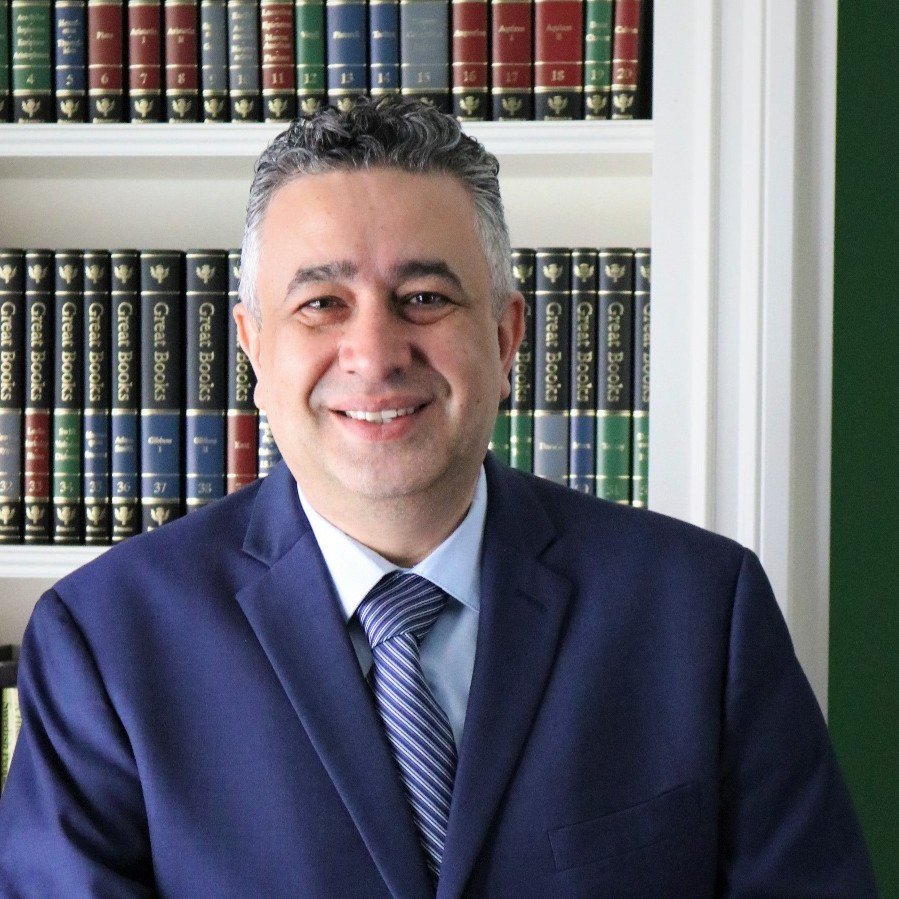
“One element that is very crucial to bring peace in the Levant is to have trust . Trust can’t be achieved without countries and societies that are at conflict with each other to understand their differences as well as social and political structure historically and currently. This is why a platform like Tukhm institute is very important in these troubling times in the Levant.”
Mohammad Baroudi
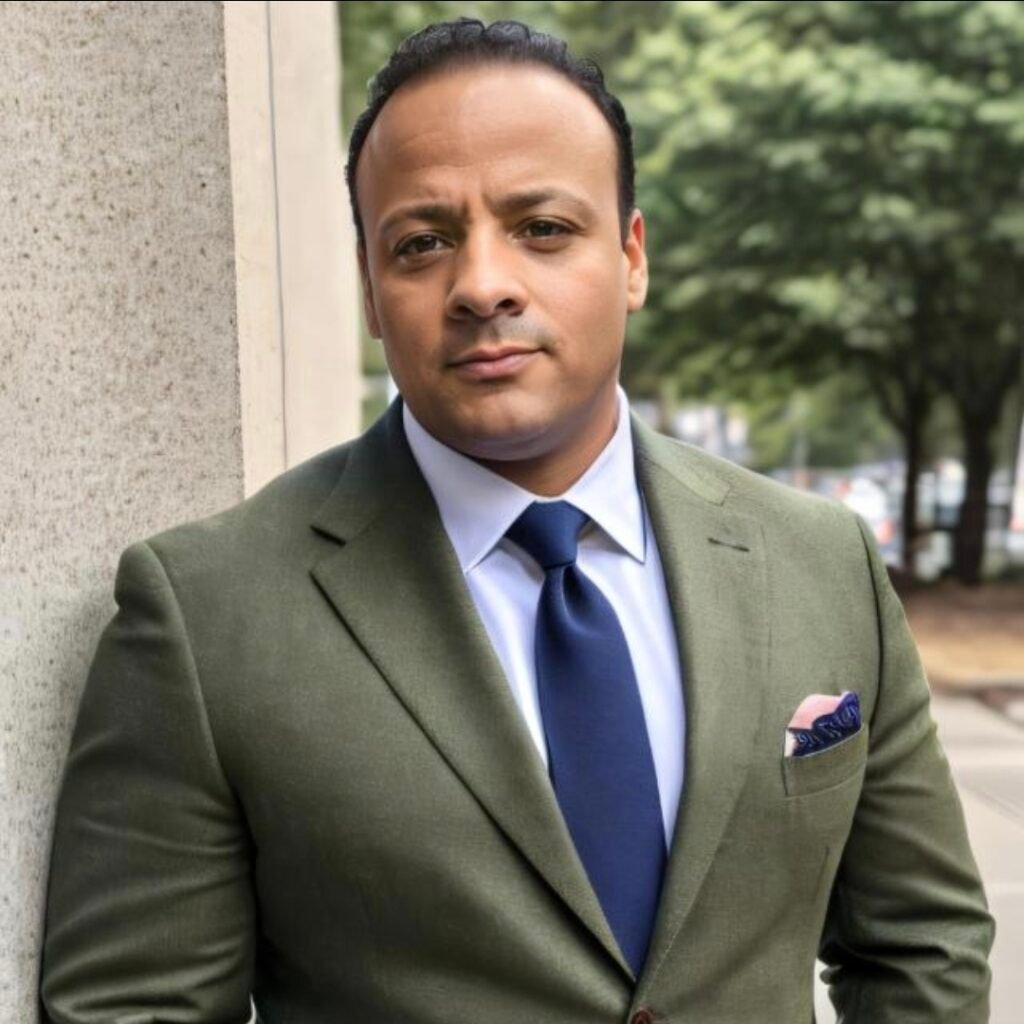
“Because the future of the Middle East depends on the normal relationship between Israel and its neighbors after the new generations open up to destroying the past and historical disputes.”
Rowaida Kanaan
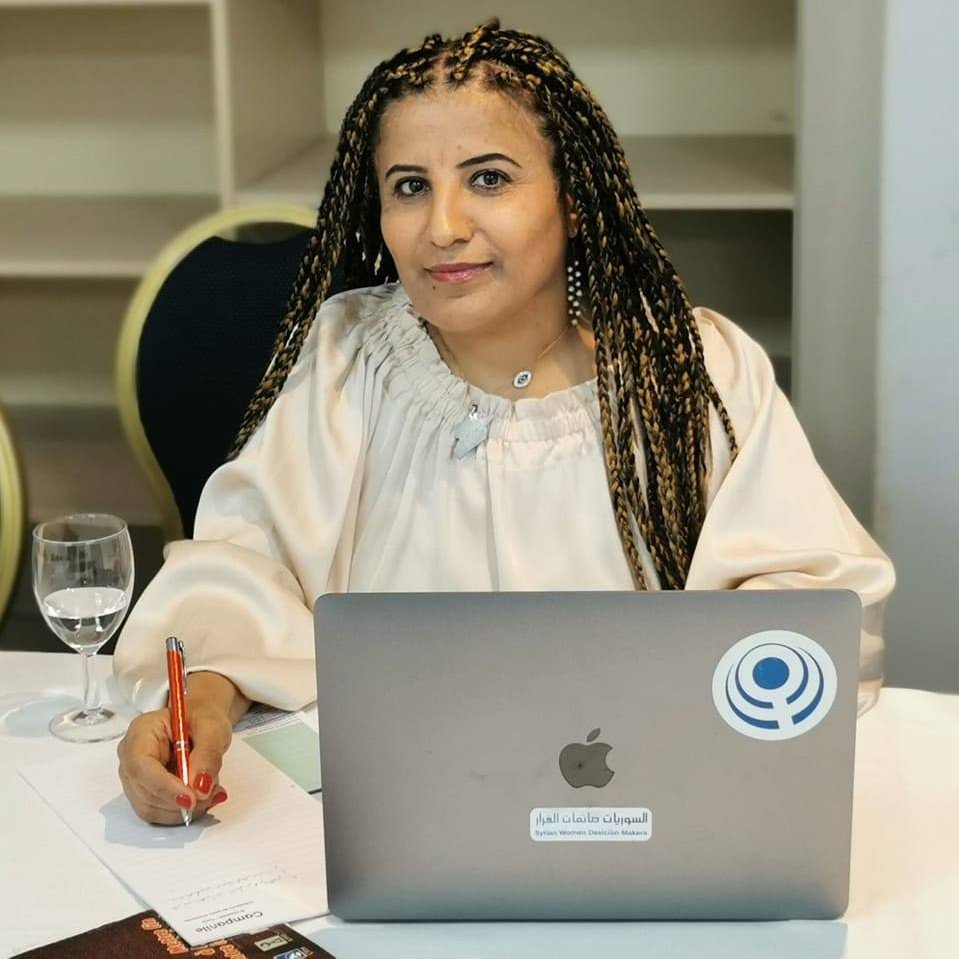
“The Syria-Israel dialogue interests me because it lies at the heart of some of the most complex issues in the Middle East: Occupation, exile, identity, and memory. Its is a dialogue that requires intellectual courage, political humanity, and the ability to listen and understand the other- without necessarily adopting or identifying with their narrative. I also believe that integrating a gender perspective into this dialogue can reveal hidden dimensions of the conflict, particularly those related to the daily experience of women and marginalized communities, and can give the conversation a more just and humane dimension. As a researcher (or journalist/ activist…), I see this project as an opportunity to engage with diverse voices and develop new tools to understand the conflict-not only through national or political lenses, but also from human, cultural, and social perspectives. I also see it as a space to rethink concepts such as reconciliation, justice, and recognition in the context of ongoing and unresolved conflicts”.
Pascal Bernhard
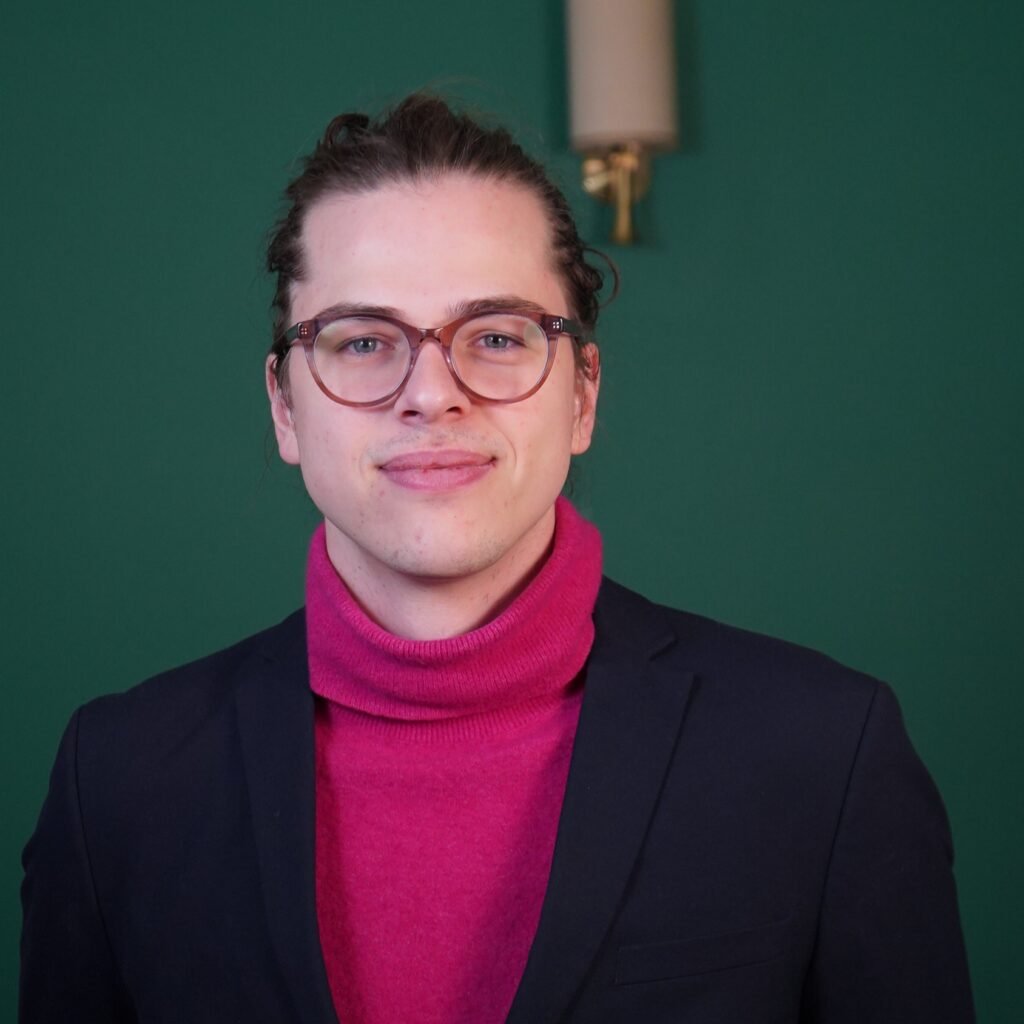
“Syrian-Israeli relations are an extremely interesting starting point for a future Middle East. With the new government in Damascus, these relations and their nature have yet to unfold. Moshe Sharett and Ben Gurion had difficulties in getting a ceasefire agreement with the Syrians after Israel’s war of independence. Today, the relations of the two countries are accelerating and have a lasting impact on the region. If Israel and Syria can have sustainably good relations, there is a lot of potential for other neighbors too. “